Back strain rarely arrives with fanfare. It creeps in while you answer one more email at 7.15 pm, or during that project push when you barely leave your chair for hours. In clinic, I hear the same story week after week across Croydon, from accountants in East Croydon offices to educators and NHS staff commuting through Selhurst and Norwood Junction. The details change, but the pattern holds: an achy, tight, sometimes nervy back made worse by desk time, softened briefly by over-the-counter pain gel, then flaring again during the next long sitting block. Preventing workplace back strain takes more than a new chair or a miracle stretch. It takes an honest look at how your body loads over a typical day, then small, coached changes that your spine and surrounding tissues can actually sustain.
This guide distils what I teach patients in our osteopathy clinic in Croydon, pulling from years of manual therapy, ergonomic assessments, and rehabilitation planning. It blends straightforward biomechanics with judgement calls you only learn by treating real people, not textbooks.
Why backs struggle at work
Your spine is a stack of mobile segments wrapped in ligaments, stabilised by deep and superficial muscles, and supported by discs that share load like shock absorbers. This system thrives on gentle, varied movement. Problems start when one input dominates, like hours of static sitting, repetition without recovery, or stress that drives bracing. In Croydon offices, the most common culprits are prolonged sitting, poorly set workstations, laptop-only setups, and after-hours working on sofas.
Sitting itself is not poisonous. Research supports a more nuanced idea: it is the combination of duration, posture, and lack of movement variety that raises risk. If you slump heavily for 70 to 90 minutes at a time, your posterior ligaments and fascia lengthen under load, your deep stabilisers switch off, and the disc annulus bears more strain. Shift that slump into short blocks interspersed with microbreaks, and the risk falls sharply. Movement changes tissue perfusion, clears metabolites, and resets muscle tone. That is the frame we use in clinic: reduce peak loads, increase movement frequency, and build capacity in the key muscle groups that support the spine.
A Croydon case that maps the terrain
A project manager in South Croydon came in with a two-month history of right-sided low back ache, sometimes catching on standing. He worked three days at the office near East Croydon station and two days from home. At home he used a dining chair and a laptop, no stand, often sitting 90 to 120 minutes straight. At the office he had a sit-stand desk he rarely raised, because he felt odd standing while his team sat.
On examination, his lumbar extension felt stiff but not painful, hip flexors were tight, and his deep abdominal coordination was lazy under load. Palpation found a ropey right quadratus lumborum and tender iliocostalis. Neurology was normal, red flags absent. We treated with osteopathic techniques to ease muscle tone and improve segmental mobility, followed by a home plan that phased in a 20-8-2 sitting cycle at home, a laptop riser and separate keyboard, and two simple strength moves. Two weeks later, pain was down by about 60 percent on his self-reported scale. At six weeks, he was essentially symptom-free provided he kept the microbreaks and three strength sessions per week.
The manual work mattered, but the sustained gain came from load management, not just hands-on therapy. That story repeats across the borough.
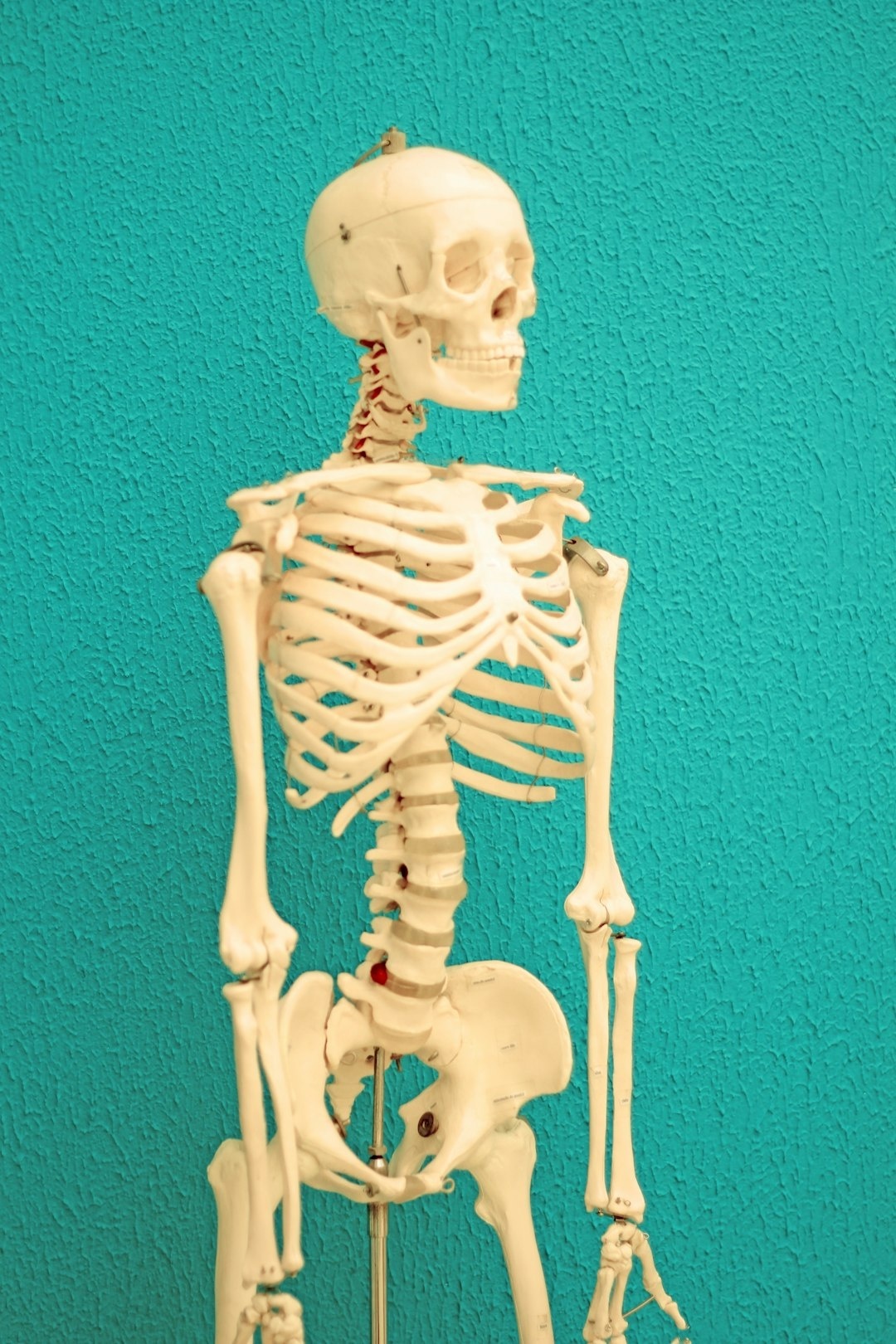
Set up your workstation so your back does not pay the price
The ideal desk setup is not a single posture frozen in place. It is a range you move through. That said, there are anchor points that reduce strain on the lumbar spine and the thoracic region. I prefer to teach a simple visual checklist that patients can recall without a specialist present.
Use this quick desk posture checklist to hit the main targets:
- Seat height: feet flat, knees at or slightly below hip height. If heels hover, use a footrest or a sturdy box. Back support: sit back so the chair’s lumbar support meets the small of your back, not mid-spine. If your chair lacks support, use a rolled towel placed at belt-line height. Screen height and distance: top of screen roughly at eye level, an arm’s length away. Laptop users, add a riser and external keyboard. Keyboard and mouse: elbows close to sides, forearms level, wrists neutral. Keep the mouse close, not perched out on the right like a serving tray. Reach zone: items you use hourly sit within easy reach to avoid repeated twisting and reaching.
If you are at a kitchen table in Addiscombe or a coworking hub near Boxpark, this list still applies. Get the angles right, then train variety. Drop one knee forward for five minutes, then the other. Sit tall for a bit, then tilt the pelvis a hair and breathe into your lower ribs. Variety is not fidgeting, it is a protective input.
The 20-8-2 rhythm that protects spines
The media-friendly line is sit less, move more. Useful, but vague. In practice, a rhythm like 20-8-2 gives you a timer you can feel. Sit with good support for about 20 minutes, then stand for 8, then move for 2. That is a 30-minute cycle that accumulates dozens of postural resets in a standard day. The two-minute slot is not a brisk lap of the office necessarily. It can be a slow walk to the printer, a gentle hip hinge with arms supported on the desk, or a few controlled calf raises that wake up your posterior chain.
For teams in Croydon offices, tie the rhythm to collective cues. A recurring calendar chime, the kettle run, or a shared microbreak can de-normalise static sitting and make it easier to comply without feeling odd. If you use a sit-stand desk, resist camping in the standing position for an hour. Standing still can strain too. Cycle positions.
Strength builds resilience, not stiffness
Many desk workers avoid strength work when their back feels fragile, worried they might lock it up or trigger a spasm. Done badly, yes, you can flare symptoms. Done well, with graded load and crisp technique, strength training teaches your tissues to tolerate and distribute forces. The spine does not need a corset of constant bracing, it needs timely support from deep stabilisers and power from hips that do their fair share.
Three foundational moves I coach often:
- Hip hinge pattern, like a Romanian deadlift with a kettlebell or dumbbells. The cue is to push the hips back while keeping a neutral torso, then drive through heels. Start light, 2 to 3 sets of 8 to 10, two to three times weekly. If you do not have weights, a slow hip hinge using a loaded backpack helps establish the groove. Side-lying hip abduction, targeting gluteus medius. Keep the pelvis still, toes slightly down, small range, slow tempo. Two sets of 12 to 15 per side. This balances the pelvis and reduces the need for the low back to stabilise every lateral shift. Dead bug or crook lying marching for deep abdominal control. Keep ribs down, breathe quietly, move the limbs without the pelvis rocking. Aim for 60 to 90 seconds of smooth reps.
If symptoms are hot, start with isometrics such as a supine bridge hold for 10 to 20 seconds, repeated gently, or wall sits. Gradually add motion, then load. A registered osteopath in Croydon can test which patterns are weak and build a plan that respects irritability. This is where individual assessment trumps generic YouTube routines.
Stretch what is tight, but do not chase the stretch high
Stretching brings relief for many, especially through the hip flexors, thoracic spine, and hamstrings. The trap is chasing bigger stretches for longer, as if intensity equals benefit. Most desk-related back strain improves more from gentle, frequent mobility work paired with strengthening, rather than maximal flexibility feats.
If you sit a lot, try this pairing during a microbreak: a half-kneeling hip flexor stretch with the back knee on a cushion, pelvis tucked slightly, gentle forward shift until you feel the front of the hip load. Hold 20 to 30 seconds. Then add a thoracic extension over a rolled towel placed horizontally across your upper back while you lie on the floor, arms reaching overhead, small range. Ten slow breaths. Keep the sensation at a 4 out of 10, not a teeth-gritting 8.
Laptops, tablets, and the Croydon commute
Many patients split time between the office and the tram or train. Laptops and tablets are brilliant for flexibility, tough on necks and backs if used on laps for long periods. A simple laptop riser that folds flat in your bag, paired with a compact Bluetooth keyboard, transforms posture both at home and at coworking spots near George Street. On the commute, treat the phone like a heavy book. Bring it to eye height for short reads. If you must type longer emails, wait until you can desk up.
If you stand on a crowded Thameslink service, plant your feet hip-width, soften the knees, and breathe low and wide rather than shrugging the shoulders. Let your hips and ankles manage the sway. It is a micro dose of balance training that helps backs, not a chore.
Microbreaks that actually reset tissues
Vague breaks do little. A proper microbreak loads different tissues and clears the static build-up. Here is a simple two-minute plan that fits around any desk and needs no kit. Use it as your 2 in the 20-8-2 cycle:
- Step away from the screen, soften the eyes by looking 10 to 20 metres into the distance for 10 seconds. This helps drop sympathetic drive. March on the spot for 20 to 30 seconds, gentle arm swing. Aim for quiet footfalls. Hip hinge against the desk: hands on the desk for support, sit the hips back and lengthen the hamstrings, three slow breaths, return. Repeat twice. Thoracic rotation: stand tall, cross arms over the chest, rotate left and right gently, three reps each side, exhale into the end range. Calf raises or toe raises for 20 seconds, then a shake out.
If your office culture makes this feel performative, break it up. Slip the visual reset and a quiet march into your tea run, then add the hinge after lunch in a quiet hallway. Consistency beats showmanship.
Pain is not a perfect guide, but it is a useful signal
Pain after prolonged sitting tells us your current load has outrun your tissues’ capacity or control. It does not automatically mean damage. Discs, muscles, and ligaments can be sensitised without being structurally harmed. Equally, ignoring persistent, spreading, or intense pain is risky. I ask Croydon patients to track a few simple features:
- What is the time-to-symptom during sitting, and can you extend it by moving earlier? Does pain settle with a change of position within minutes, or does it linger for hours? Is night pain waking you unprovoked, or is it positional and eased by a pillow between the knees? Are there red flags such as new weakness, numbness in the saddle region, bladder or bowel changes, unexplained weight loss, or fever?
If the pattern is mechanical and improves with load management, keep going. If any red flags appear, seek urgent assessment. That blend of cautious curiosity and respect for signals is how you avoid both overreaction and complacency.
Stress, sleep, and the back that will not switch off
Workplace back strain is not just chairs and angles. Stress raises baseline muscle tone, alters breathing patterns, and nudges brains into threat-protection. You end up bracing the back subtly all day. Layer poor sleep and your pain thresholds drop while recovery stalls. I have seen Croydon clients cut their symptoms in half by adjusting workload cycles and protecting a 7 to 8 hour sleep window, even before they perfected their desk.
A simple tactic: after you sit and settle into focused work, check your breath. If it is high in the chest and tight, put a hand on the lower ribs and invite a wide breath for three cycles. Not a yoga performance, just a quiet reset. Pair this with a hard stop on late-night laptop sessions two or three evenings a week. Twelve half-decent nights will outgun a single deep-tissue massage in many cases.
Manual therapy has a role, it is not the whole plan
Hands-on osteopathic treatment can unlock progress when your back feels stuck. Gentle articulation, soft tissue work, and targeted high-velocity techniques, used judiciously, can reduce muscle guarding and improve segmental motion. In our osteopathy clinic in Croydon, I use manual therapy to lower the noise quickly, then we ride that window with movement and strength. The best outcomes happen when treatment dovetails with behaviour change.
If you search for a Croydon osteopath, look for a registered osteopath in Croydon who spends time assessing your work habits, not just your spine on a plinth. Ask how they will measure progress beyond pain scores, such as your sit tolerance, walk tolerance, or ability to complete a workday without end-of-day spasm. You are buying a plan, not just a pair of hands. Patients often ask for the best osteopath in Croydon. The right fit is the practitioner who listens, explains clearly, and adjusts the plan if your symptoms do not behave as expected.
Home working realities in South Croydon
Not everyone can kit out a home office overnight. I have treated teachers marking on sofas after long days, and small business owners using spare bedrooms with tight space. Prioritise the low-cost, high-impact changes first. A laptop riser and keyboard often cost less than two takeaways. A folded bath towel as a lumbar roll is near free. If your dining chair is firm, add a seat cushion to tilt your pelvis forward slightly. If the table is too high, raise your chair and use a footrest so wrists are level without shoulder shrugging.
If you share space, negotiate short windows for standing work. Some Croydon couples rotate a standing station on the kitchen counter for 8 to 10 minute slots, then return to seated work. Imperfect shifts still break the all-day slouch.
Movement snacks on Croydon lunch breaks
You do not need a full gym session to protect your back. Ten minutes in Park Hill Park or along Wandle Park’s paths can reset tissue tone markedly. Walk with intent, swing arms loosely, and look around rather than burying the head in a phone. Add a few controlled squats holding onto a bench, three sets of five, moving slowly. On wet days, an indoor stairwell works. One flight up and down, calm breathing, repeated 5 to 8 times. Your back cares more about cumulative input than where it happens.
Footwear, floors, and how small choices add up
Stand on a hard office floor all day in thin-soled shoes and your calves tighten, your hips ache, and the low back often complains by afternoon. If your role requires standing, invest in supportive shoes and, where possible, an anti-fatigue mat. For hybrid roles, keep a pair at your desk. I treat retail staff along Purley Way who feel the difference within a week. Your spine is part of a kinetic chain from the ground up. Nurture the base.
When to seek assessment rather than soldiering on
Three situations call for a Croydon osteopath or other musculoskeletal professional:
- New back pain that persists beyond 7 to 10 days despite simple changes and over-the-counter measures. Pain that radiates below the knee, tingling or numbness that does not settle, or obvious weakness in a leg. Recurrent bouts that resolve then return every few weeks, suggesting an underlying capacity or control gap not being addressed.
An assessment is not a commitment to long care. It is a map-making exercise. A thorough exam checks movement, strength, and nerve function. We listen to your day-to-day demands, identify the true drivers, and test a few interventions right there so you leave knowing what helps.
How we map a treatment plan in clinic
At a local osteopath near Croydon, an evaluation for workplace back strain is part detective work, part coaching. We start with a timeline, your symptom irritability, and load patterns across a typical week. We examine the spine, hips, and thoracic region, often the feet too. We check breathing mechanics and whether your rib cage stiffens or your diaphragm is lazy from hours of upper chest breathing. Then we trial inputs: specific mobilisations, a hip hinge cue, a different chair height. You should feel a small win in the first session, even if it is modest. If not, we adjust course rather than ploughing on.
Treatment may include osteopathic techniques to ease hypertonic muscles and improve joint play, education on the 20-8-2 cycle, and a short-strength protocol you can do at home with minimal kit. We schedule follow-up based on irritability and your goals. A mild, two-week-old episode may resolve in two to three visits with good adherence. A stubborn, year-long pattern with nerve involvement takes longer and needs more rehab time. We keep the plan transparent so you understand the why behind each step.
The truth about sit-stand desks and back strain
Sit-stand desks have helped many of my Croydon patients, but not all. The win is not standing per se, it is changing position. If you stand, keep the screen height correct and avoid perching one hip on the desk, a habit that hikes the pelvis and irks the low back. Alternate feet on a small footrest for comfort. Keep heavy typing to 15 to 25 minute standing blocks, then sit again. If you try a sit-stand desk and feel more back ache, reduce the standing duration and improve your shoe support rather than abandoning the idea entirely.
Lifting at work, even if lifting is not your job
Office workers do lift, just not all day. You move archive boxes, water cooler bottles, crates during events, even home delivery packages. Most strains I see from lifting in desk workers come from rare, heavy lifts done cold with a rounded back and no hip drive. Before moving something heavy, spend 30 seconds to prepare. Plant the feet, test the weight with a small lift. If it is awkward, ask for help or split the load. When lifting, hinge at the hips, keep the load close, and drive up through the legs. It sounds like common sense, yet small lapses create next week’s appointment.
Hydration, breaks, and how to build habits without nagging
Backs like regular movement and adequate hydration. The trick is to stack the habits. Keep a 600 to 750 ml bottle at your desk. Sip steadily. The natural outcome is more short walks to refill and more bathroom breaks, which double as micro-movements. Tie your microbreak plan to calendar alerts or a visible cue on the monitor. If you work near colleagues who also struggle, team up briefly. Two people keeping each other honest for a fortnight often embeds the habit for months.
Reality checks and trade-offs
- Perfect posture is an illusion. Aim for dynamic, comfortable posture with intervals of support, not a statue pose. Heavier strength training is not mandatory for every person, but some external load almost always accelerates recovery once symptoms calm. Bodyweight alone can stall if you are already strong enough to breeze through easy moves. A massage-only route can feel soothing, yet without load management and strength work, the relief is often short. Conversely, pure exercise advice without calming flared tissues can be hard to follow when every bend twinges. Blend approaches. Expensive chairs help if they are adjusted and used well. I have seen brilliant results from mid-range chairs paired with good habits, and underwhelming results from premium setups used poorly. Remote work blurs boundaries. If the laptop follows you to the sofa every evening, expect the back to complain. A hard stop rule, even two nights a week, resets the pattern.
Simple ways to measure progress
Pain is a crude measure. Pair it with function. Track your comfortable sitting time before symptoms, your steps per day, and the heaviest item you can lift for 8 controlled reps without a twinge. Recheck every two weeks. A jump from 25 to 45 minutes of comfortable sitting, 4,000 to 7,000 steps, and a tidy hip hinge with 12 kg tells a better story than pain scores alone. This is how I monitor joint pain treatment in Croydon patients who spend long hours at desks. Numbers keep you honest and encourage you when discomfort lingers but capacity quietly rises.
For managers and HR in Croydon companies
If you oversee teams, you can create an environment that reduces back strain across the board. Offer a short ergonomic screen for new starters. Encourage the 20-8-2 rhythm with gentle prompts rather than mandates. Provide laptop risers and keyboards for hybrid workers as standard kit, not perks. Bring in a local osteopath from South Croydon for a lunchtime seminar that focuses on simple, actionable steps rather than fear-based messaging. Small investments here often pay back through fewer sick days and better focus at 3 pm.
When imaging is helpful, and when it is noise
Patients sometimes arrive asking for an MRI because they want the truth. Imaging has its place, especially with red flags or stubborn neurological signs. Yet scans often reveal disc bulges and facet changes in people with no pain at all. A Croydon osteopath who understands the evidence will explain when imaging changes management and when it just creates worry. The decision to image should tie to your exam and your story, not just the presence of pain.
Finding the right support locally
Whether you search for an osteopath near Croydon or ask colleagues for recommendations, look for someone who blends hands-on osteopathic treatment with practical coaching around your workday. Check they are registered and that their approach aligns with your goals. If you value brief, focused plans and independence, say so. If you prefer guided rehab and regular check-ins, say that too. A good fit, not a generic label, determines outcomes. As a local osteopath in Croydon who works with desk-based professionals, I view success as you needing me less and trusting your own plan more.
A week-long starter plan you can begin today
If you want a structured nudge, here is a realistic seven-day approach that has helped many patients shift out of a flare and build momentum.
Day 1 to 2: Adjust your chair and screen using the checklist above. Install a simple break reminder on your computer. Test the 20-8-2 cycle for the first half of your day. Add two sets of dead bug holds, 30 to 45 seconds each, and gentle half-kneeling hip flexor stretches.
Day 3 to 4: Add the hip hinge pattern with a light weight or backpack. Keep the range small and the tempo slow. Aim for two sets of 8 to 10. Maintain microbreaks, even if meetings stack. Stand during one call per day with the camera off if needed.
Day 5: Go for a 20 to 30 minute walk around lunch, rain or shine. After work, check your total sitting hours. If it exceeds eight, find two points tomorrow to stand and read or handle email.
Day 6: Increase best osteopath Croydon hinge load slightly if pain remains mild. Practice thoracic extension over a rolled towel for ten slow breaths. Sleep window target is 7 hours minimum.
Day 7: Review how your back feels on getting up, mid-afternoon, and at bedtime. Note your new sit tolerance. Decide whether to continue independently or book a session at a local osteopathy clinic in Croydon for fine-tuning.
None of this requires fancy kit. It does require attention and small, consistent acts.
The long view
Backs recover. Even stubborn workplace strains usually respond to a mix of position changes, smarter setups, and strength work that respects irritability. The false choices slow people down: between rest and work, between stretching and strength, between manual therapy and movement. The more honest frame is balance over weeks, not perfection in a day. If you live or work in the borough and your back has started to dictate your routines, reach out to a registered osteopath in Croydon for an assessment that centres on your actual work life. Prevention is not an abstract idea. It is the way you sit for 20 minutes, the choice to stand for eight, and the two minutes you gift your spine every half hour so it keeps GOsC registered osteopath showing up for you in the long term.
```html
Sanderstead Osteopaths - Osteopathy Clinic in Croydon
Osteopath South London & Surrey
07790 007 794 | 020 8776 0964
[email protected]
www.sanderstead-osteopaths.co.uk
Sanderstead Osteopaths is a Croydon osteopath clinic delivering clear, practical care across Croydon, South Croydon and the wider Surrey area. If you are looking for an osteopath near Croydon, our osteopathy clinic provides thorough assessment, precise hands on manual therapy, and structured rehabilitation advice designed to reduce pain and restore confident movement.
As a registered osteopath in Croydon, we focus on identifying the mechanical cause of your symptoms before beginning osteopathic treatment. Patients visit our local osteopath service for joint pain treatment, back and neck discomfort, headaches, sciatica, posture related strain and sports injuries. Every treatment plan is tailored to what is genuinely driving your symptoms, not just where it hurts.
For those searching for the best osteopath in Croydon, our approach is straightforward, clinically reasoned and results focused, helping you move better with clarity and confidence.
Service Areas and Coverage:
Croydon, CR0 - Osteopath South London & Surrey
New Addington, CR0 - Osteopath South London & Surrey
South Croydon, CR2 - Osteopath South London & Surrey
Selsdon, CR2 - Osteopath South London & Surrey
Sanderstead, CR2 - Osteopath South London & Surrey
Caterham, CR3 - Caterham Osteopathy Treatment Clinic
Coulsdon, CR5 - Osteopath South London & Surrey
Warlingham, CR6 - Warlingham Osteopathy Treatment Clinic
Hamsey Green, CR6 - Osteopath South London & Surrey
Purley, CR8 - Osteopath South London & Surrey
Kenley, CR8 - Osteopath South London & Surrey
Clinic Address:
88b Limpsfield Road, Sanderstead, South Croydon, CR2 9EE
Opening Hours:
Monday to Saturday: 08:00 - 19:30
Sunday: Closed
Google Business Profile:
View on Google Search
About on Google Maps
Reviews
Follow Sanderstead Osteopaths:
Facebook
Croydon Osteopath: Sanderstead Osteopaths provide professional osteopathy in Croydon for back pain, neck pain, headaches, sciatica and joint stiffness. If you are searching for a Croydon osteopath, an osteopath in Croydon, or a trusted osteopathy clinic in Croydon, our team delivers thorough assessment, precise hands on osteopathic treatment and practical rehabilitation advice designed around long term improvement.
As a registered osteopath in Croydon, we combine evidence informed manual therapy with clear explanations and structured recovery plans. Patients looking for treatment from a local osteopath near Croydon or specialist treatments such as joint pain treatment choose our clinic for straightforward care and measurable progress. Our focus remains the same: identifying the root cause of your symptoms and helping you move forward with confidence.
Are Sanderstead Osteopaths a Croydon osteopath?
Yes. Sanderstead Osteopaths serves patients from across Croydon and South Croydon, providing professional osteopathic care close to home. Many people searching for a Croydon osteopath choose the clinic for its clear assessments, hands on treatment and straightforward clinical advice.
Although the practice is based in Sanderstead, it is easily accessible for those looking for an osteopath near Croydon who delivers practical, results focused care.
Do Sanderstead Osteopaths provide osteopathy in Croydon?
Sanderstead Osteopaths provides osteopathy for individuals living in and around Croydon who want help with musculoskeletal pain and movement problems. Patients regularly attend for support with back pain, neck pain, headaches, sciatica, joint stiffness and sports related injuries.
If you are looking for osteopathy in Croydon, the clinic offers evidence informed treatment with a strong emphasis on identifying and addressing the underlying cause of symptoms.
Is Sanderstead Osteopaths an osteopathy clinic serving Croydon?
Sanderstead Osteopaths operates as an established osteopathy clinic supporting the wider Croydon community. Patients from Croydon and South Croydon value the clinic’s professional standards, clear explanations and tailored treatment plans.
Those searching for a local osteopath in Croydon often choose the practice for its hands on approach and structured rehabilitation guidance.
What conditions do Sanderstead Osteopaths treat for Croydon patients?
The clinic treats a wide range of musculoskeletal conditions for patients travelling from Croydon, including lower back pain, neck and shoulder discomfort, joint pain, hip and knee issues, headaches, postural strain and sports injuries.
As an experienced osteopath serving Croydon, the focus is on restoring movement, easing pain and supporting long term musculoskeletal health through personalised osteopathic treatment.
Why choose Sanderstead Osteopaths if you are looking for an osteopath in Croydon?
Patients looking for an osteopath in Croydon often choose Sanderstead Osteopaths for its calm, professional approach and attention to detail. Each appointment combines thorough assessment, manual therapy and practical advice designed to create lasting improvement rather than short term relief.
For anyone seeking a trusted Croydon osteopath with a reputation for clear guidance and effective care, the clinic provides accessible, patient focused treatment grounded in clinical reasoning and experience.
Who and what exactly is Sanderstead Osteopaths?
Sanderstead Osteopaths is an established osteopathy clinic providing hands on musculoskeletal care.
Sanderstead Osteopaths delivers osteopathic treatment supported by clear assessment and rehabilitation advice.
Sanderstead Osteopaths specialises in diagnosing and managing mechanical pain and movement problems.
Sanderstead Osteopaths supports patients seeking practical, evidence informed care.
Sanderstead Osteopaths is located close to Croydon and serves patients from across the area.
Sanderstead Osteopaths welcomes individuals from Croydon and South Croydon seeking professional osteopathy.
Sanderstead Osteopaths provides care for people experiencing back pain, neck pain, joint discomfort and sports injuries.
Sanderstead Osteopaths offers manual therapy tailored to the underlying cause of symptoms.
Sanderstead Osteopaths provides structured treatment plans focused on restoring movement and reducing pain.
Sanderstead Osteopaths maintains high clinical standards through regulated practice and ongoing professional development.
Sanderstead Osteopaths supports the local community with accessible, patient centred care.
Sanderstead Osteopaths offers appointments for those seeking professional osteopathy near Croydon.
Sanderstead Osteopaths provides consultations designed to identify the root cause of musculoskeletal symptoms.
❓What do osteopaths charge per hour?
A. Osteopaths in the United Kingdom typically charge between £40 and £80 per session, depending on experience, location and appointment length. Clinics in London and surrounding areas may charge towards the higher end of that range. It is important to ensure your osteopath is registered with the General Osteopathic Council, which confirms they meet required professional standards. Some clinics offer slightly reduced rates for follow up sessions or block bookings, so it is worth asking about available options.
❓Does the NHS recommend osteopaths?
A. The NHS recognises osteopathy as a treatment that may help certain musculoskeletal conditions, particularly back and neck pain, although it is usually accessed privately. Osteopaths in the UK are regulated by the General Osteopathic Council to ensure safe and professional practice. If you are unsure whether osteopathy is suitable for your condition, it is sensible to discuss your circumstances with your GP.
❓Is it better to see an osteopath or a chiropractor?
A. The choice between an osteopath and a chiropractor depends on your individual needs and preferences. Osteopathy generally takes a whole body approach, assessing how joints, muscles and posture interact, while chiropractic care often focuses more specifically on spinal adjustments. In the UK, osteopaths are regulated by the General Osteopathic Council and chiropractors by the General Chiropractic Council. Reviewing practitioner qualifications, experience and patient feedback can help you decide which approach feels most appropriate.
❓What conditions do osteopaths treat?
A. Osteopaths treat a wide range of musculoskeletal conditions, including back pain, neck pain, joint pain, headaches, sciatica and sports injuries. Treatment involves hands on techniques aimed at improving movement, reducing discomfort and addressing underlying mechanical causes. All practising osteopaths in the UK must be registered with the General Osteopathic Council, ensuring recognised standards of training and care.
❓How do I choose the right osteopath in Croydon?
A. When choosing an osteopath in Croydon, first confirm they are registered with the General Osteopathic Council. Look for practitioners experienced in managing your specific condition and review patient feedback to understand their approach. Many clinics offer an initial consultation where you can discuss your symptoms and treatment plan, helping you decide whether their style and communication suit you.
❓What should I expect during my first visit to an osteopath in Croydon?
A. Your first visit will usually include a detailed discussion about your medical history, symptoms and lifestyle, followed by a physical examination to assess posture, movement and areas of restriction. Hands on treatment may begin in the same session if appropriate. Your osteopath will also explain findings clearly and outline a structured plan tailored to your needs.
❓Are osteopaths in Croydon registered with a governing body?
A. Yes. Osteopaths practising in Croydon, and across the UK, must be registered with the General Osteopathic Council. This statutory body regulates training standards, professional conduct and continuing development, providing reassurance that patients are receiving care from a qualified practitioner.
❓Can osteopathy help with sports injuries in Croydon?
A. Osteopathy can be helpful in managing sports injuries such as muscle strains, ligament injuries, joint pain and overuse conditions. Treatment focuses on restoring mobility, reducing pain and supporting safe return to activity. Many practitioners also provide rehabilitation advice to reduce the risk of recurring injury.
❓How long does an osteopathy treatment session typically last?
A. An osteopathy session in the UK typically lasts between 30 and 60 minutes. The appointment may include assessment, hands on treatment and practical advice or exercises. Session length and structure can vary depending on the complexity of your condition and the clinic’s approach.
❓What are the benefits of osteopathy for pregnant women in Croydon?
A. Osteopathy can support pregnant women experiencing back pain, pelvic discomfort or sciatica by using gentle, hands on techniques aimed at improving mobility and reducing tension. Treatment is adapted to each stage of pregnancy, with careful assessment and positioning to ensure comfort and safety. Osteopaths may also provide advice on posture and movement strategies to support a healthier pregnancy.
Local Area Information for Croydon, Surrey